Research Equipents
(Click the photo to view a larger image.)
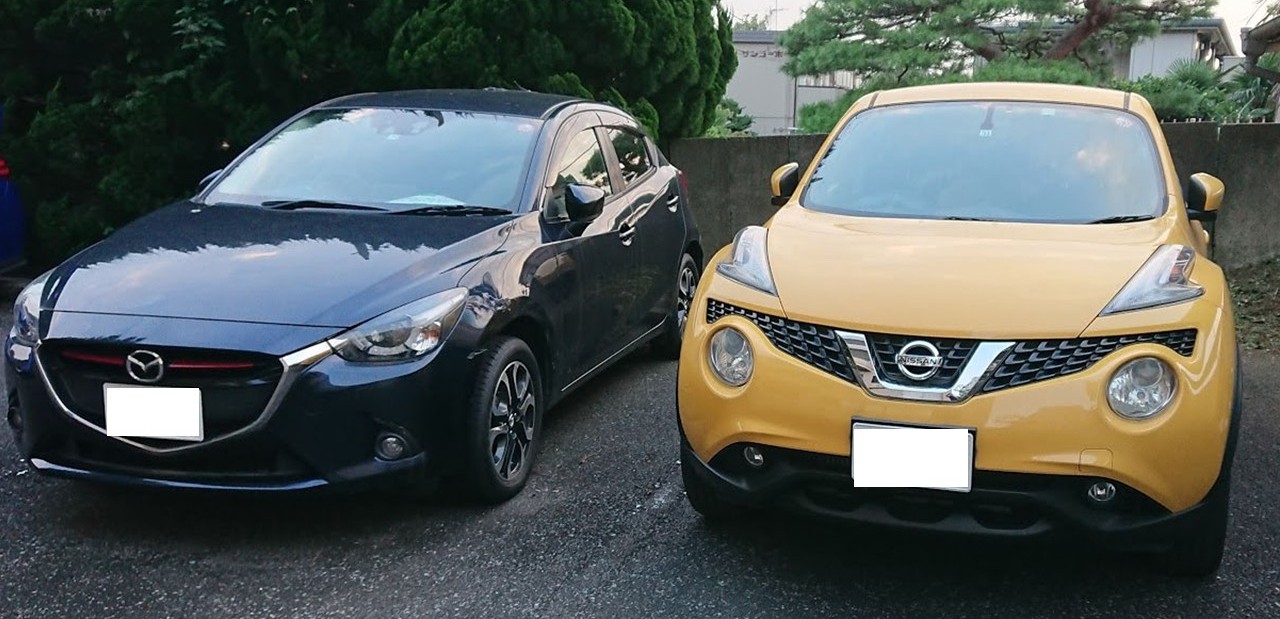
Test Vehicles
Our laboratory uses passenger vehicles as experimental platforms to perform high-precision analyses of on-road emission characteristics and driver behavior.
These vehicles are mainly driven by members of the laboratory.
Currently, we own two vehicles—one gasoline-powered and one diesel-powered—which are used for driving experiments and exhaust emission measurements.
During experiments, the rear seats are folded down and the interior is arranged so that various measurement instruments can be installed in the trunk space.
Specifically, we equip the vehicle with portable emission measurement systems such as PEMS and mini-PEMS, data loggers for collecting driving data, and a V-BOX capable of high-precision GPS measurement.
This setup enables simultaneous acquisition of a wide range of data, including speed, acceleration, engine behavior, and exhaust gas components.
Additionally, NOx sensors and thermocouples (thermocouple sensors) can be mounted on the exhaust pipe (tailpipe), allowing real-time measurement of exhaust gas components and exhaust temperature.
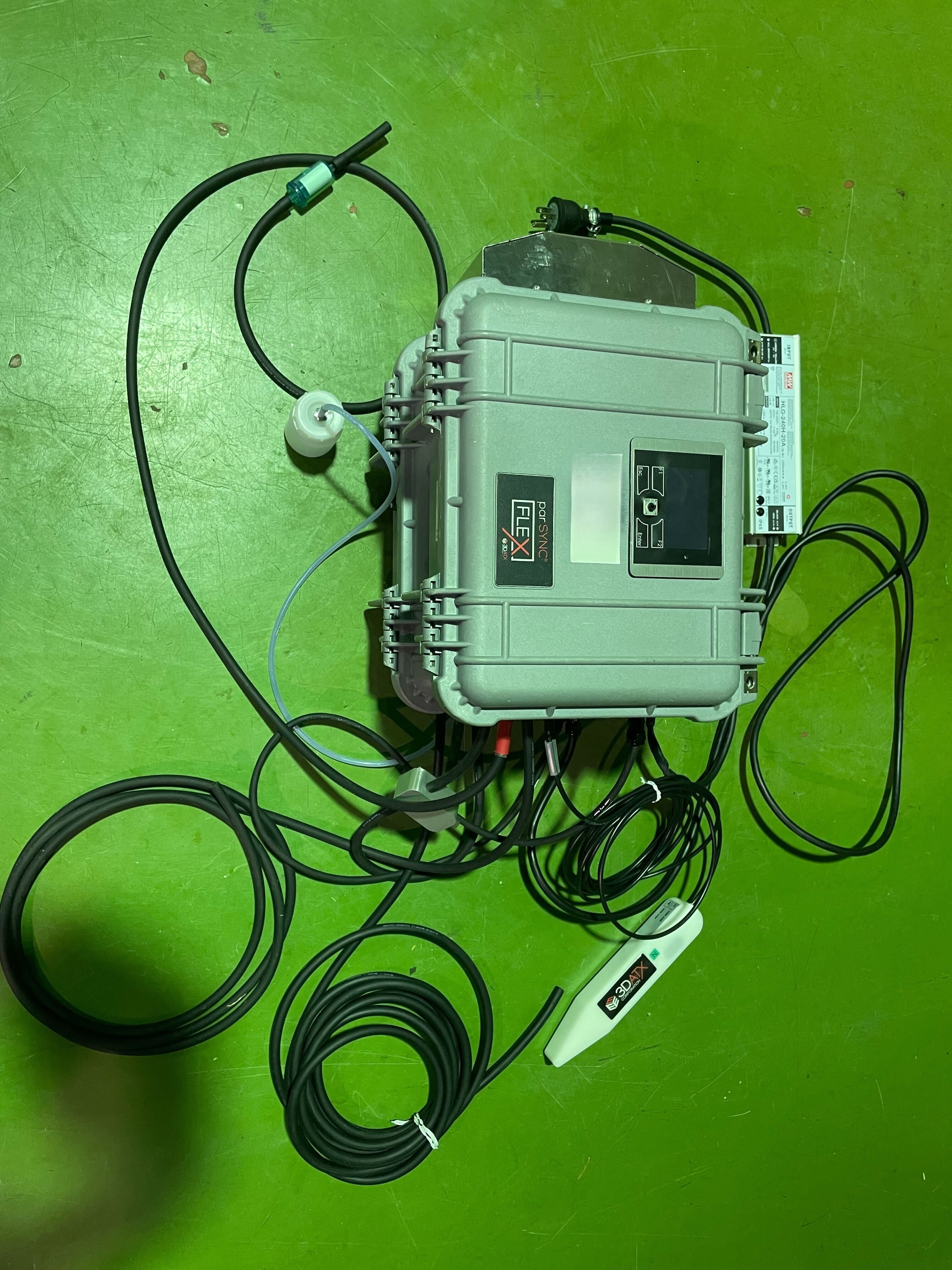
mini PEMS
A lightweight, transportable emissions measurement system incorporating hot-swappable sensor cartridges.
It enables simultaneous detection of multiple gas species (CO, CO2, HC and NOx) through advanced sensing (ionisation, light scattering, opacity). Ideal for on-vehicle applications.
(参考文献)
・Sokken, "統合ポータブルエミッション測定システム 3DATX parSYNC FLEX",
https://www.sokken.co.jp/gas/202305/entry678.html
・S. Sato, S. Abe, R. Himeno, T. et al.,
“Real-World Emission Analysis Methods Using Sensor-Based Emission Measurement System,”
SAE Technical Paper 2020-01-0381, 2020
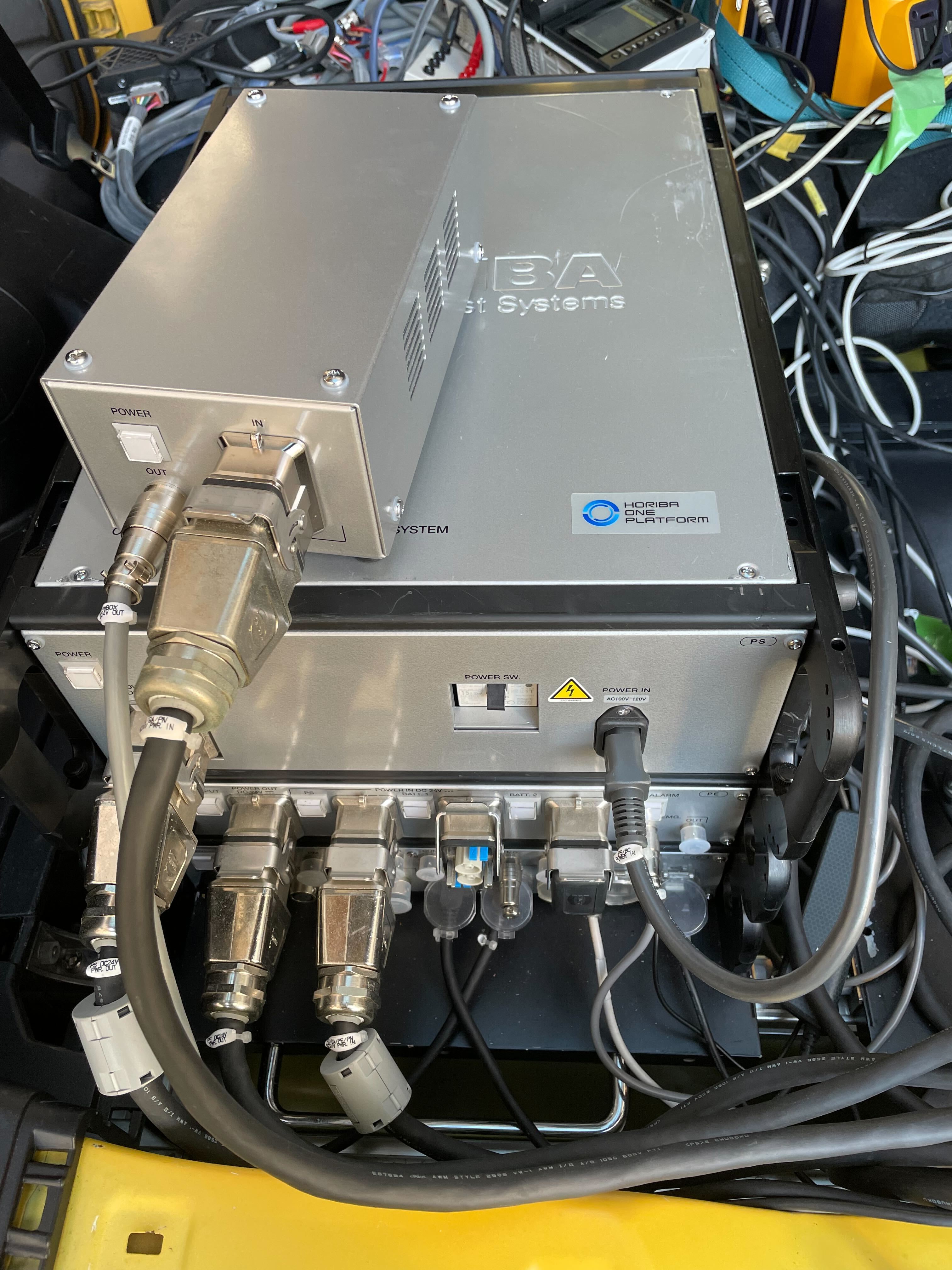
PEMS
A Portable Emission Measurement System (PEMS) is an onboard exhaust gas measurement device used for emission testing during real-world vehicle operation.
It can measure exhaust gas component concentrations (CO, CO2, THC, NOx, NO2), air–fuel ratio, exhaust mass flow rate, GPS-based position data, and environmental conditions (temperature, humidity, atmospheric pressure), and it can also perform mass emission calculations.
A key feature of PEMS is its ability to collect real-time data that reflects more realistic driving behavior under actual on-road conditions.
It is currently used as an OBD interface unit for acquiring vehicle control information during driving.
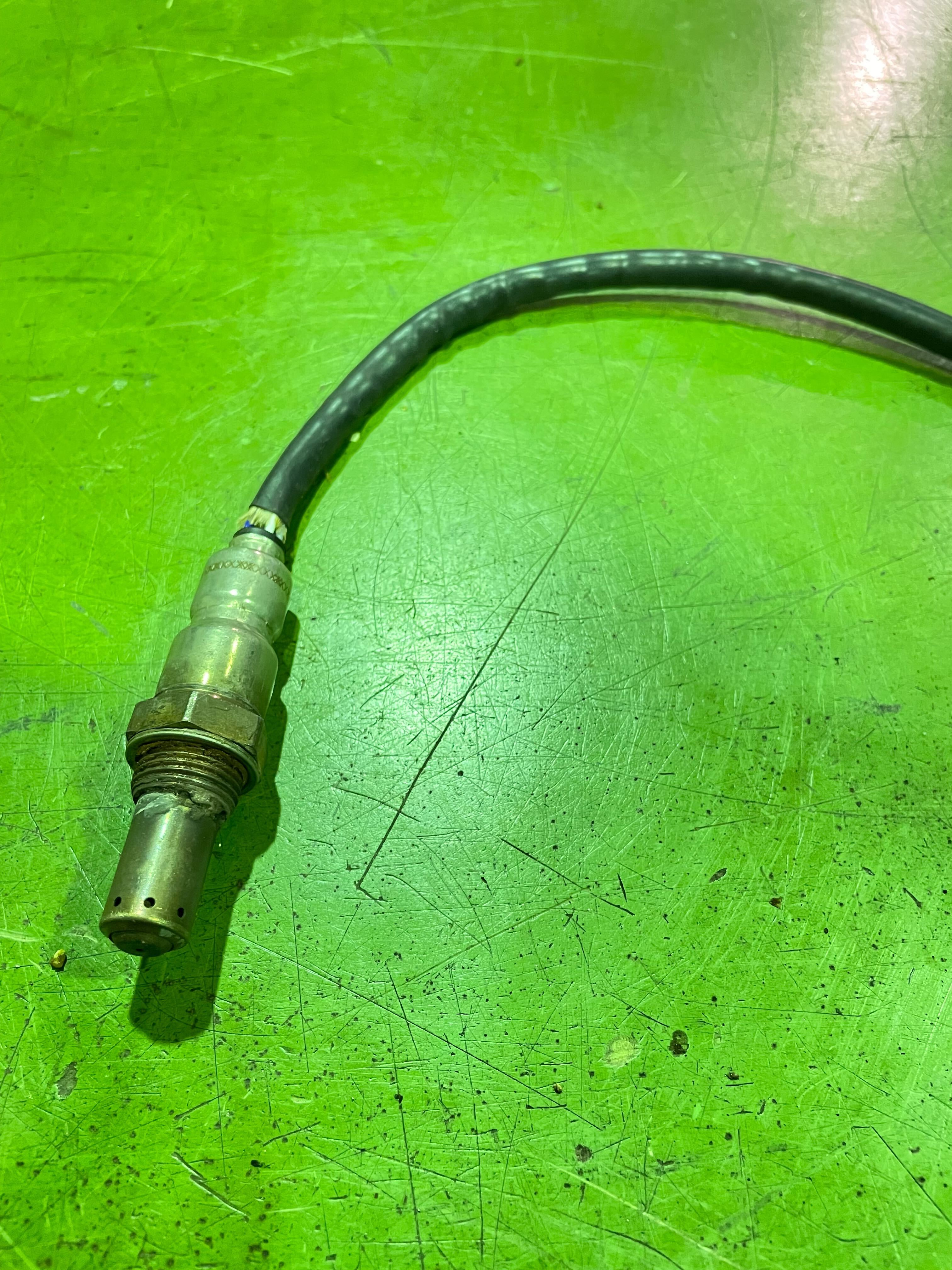
NOx sensor
This compact sensor module is designed for direct exhaust-pipe mounting and provides fast response measurement of nitrogen oxides (NOx), air-fuel ratio (λ/A/F), and oxygen (O₂) levels.
It outputs data via the CAN bus and supports a broad measurement range (NOx up to 5,000 ppm).
(参考文献)
・ATI Worldwide LLC, "排ガスセンサー:ジルコニア式NOxセンサー 『NOxCANt』",
https://pr.mono.ipros.com/accuratetechnologies/product/detail/2000408822/
・S. Sato, J. Chen, C. Eang, K. Tanaka, T. Tange,
“Effects of Different Driving Behavior during Actual Road Driving on Ammonia Emissions from Gasoline Vehicles”,
SAE Technical Paper 2023-32-0095, Aug. 2023.
・山本 敏朗, 鈴木 央一, 柴﨑 勇一,"ZrO2型NOx センサを用いた重量車排出ガス測定システム(SEMS)におけるNOx 濃度測定性能の向上", 自動車技術開論文集,2022 年 53 巻 1 号 p. 170-176
Brake Force Meter
This device measures the driver’s brake-pedal operation.
It is mounted directly onto the brake pedal of the test vehicle.
The strain of a metal plate is measured at 10 Hz and converted into brake-pedal force.
The data is used for building driver-operation prediction models, estimating driver intent, and analyzing emissions.
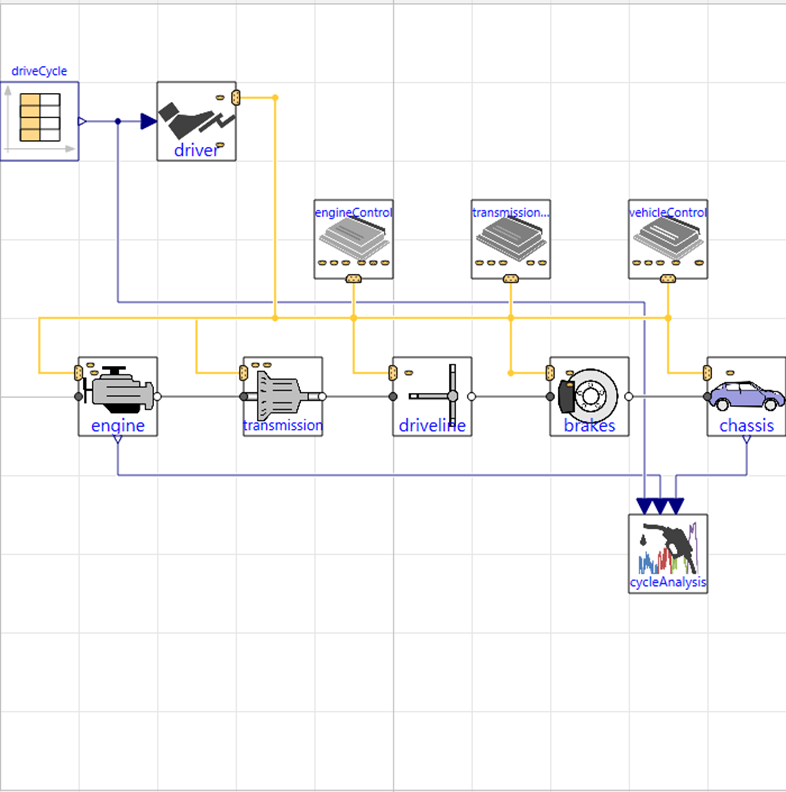
Vehicle Simulation Model
This vehicle simulation model calculates vehicle states, such as engine speed and torque, using vehicle speed and road gradient.
This model is implemented using OpenModelica, suited for physical modeling.
The model parameters are fitted to the measured data from our test vehicle.
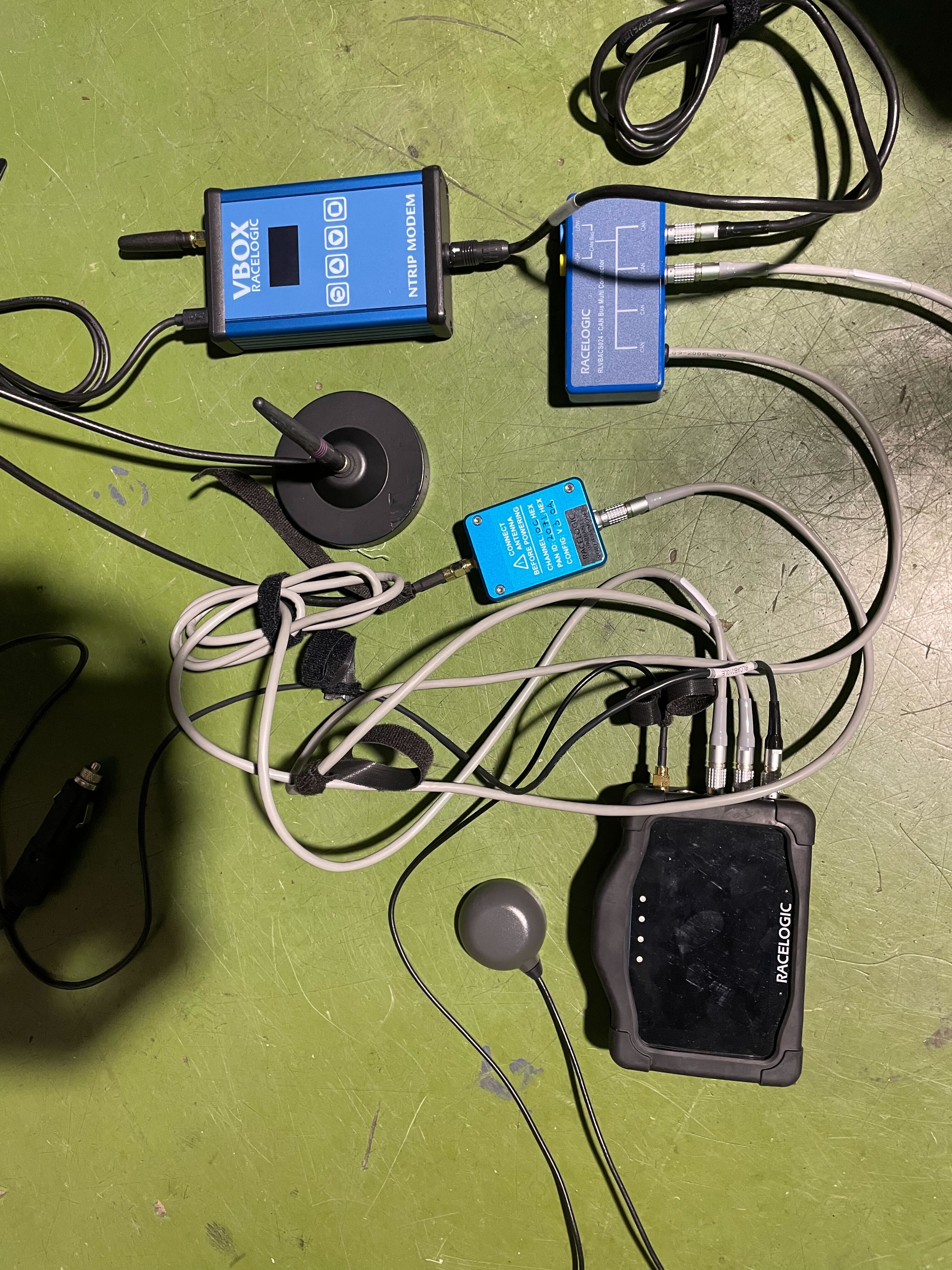
high-precision GPS unit
Following and own vehicles are each equipped with a high-precision GPS unit to measure the inter-vehicle distance. The system uses RTK-GNSS, achieving a positioning accuracy of approximately 2 cm. Based on the acquired latitude and longitude data, the distance between the two vehicles is calculated in real time. Vehicle speed and acceleration are also estimated from the positional information.
In RTK-GNSS, correction data are received from the Geospatial Information Authority of Japan’s reference stations, enabling higher positioning accuracy than conventional GPS.
This system is used for data analysis during vehicle following experiments.
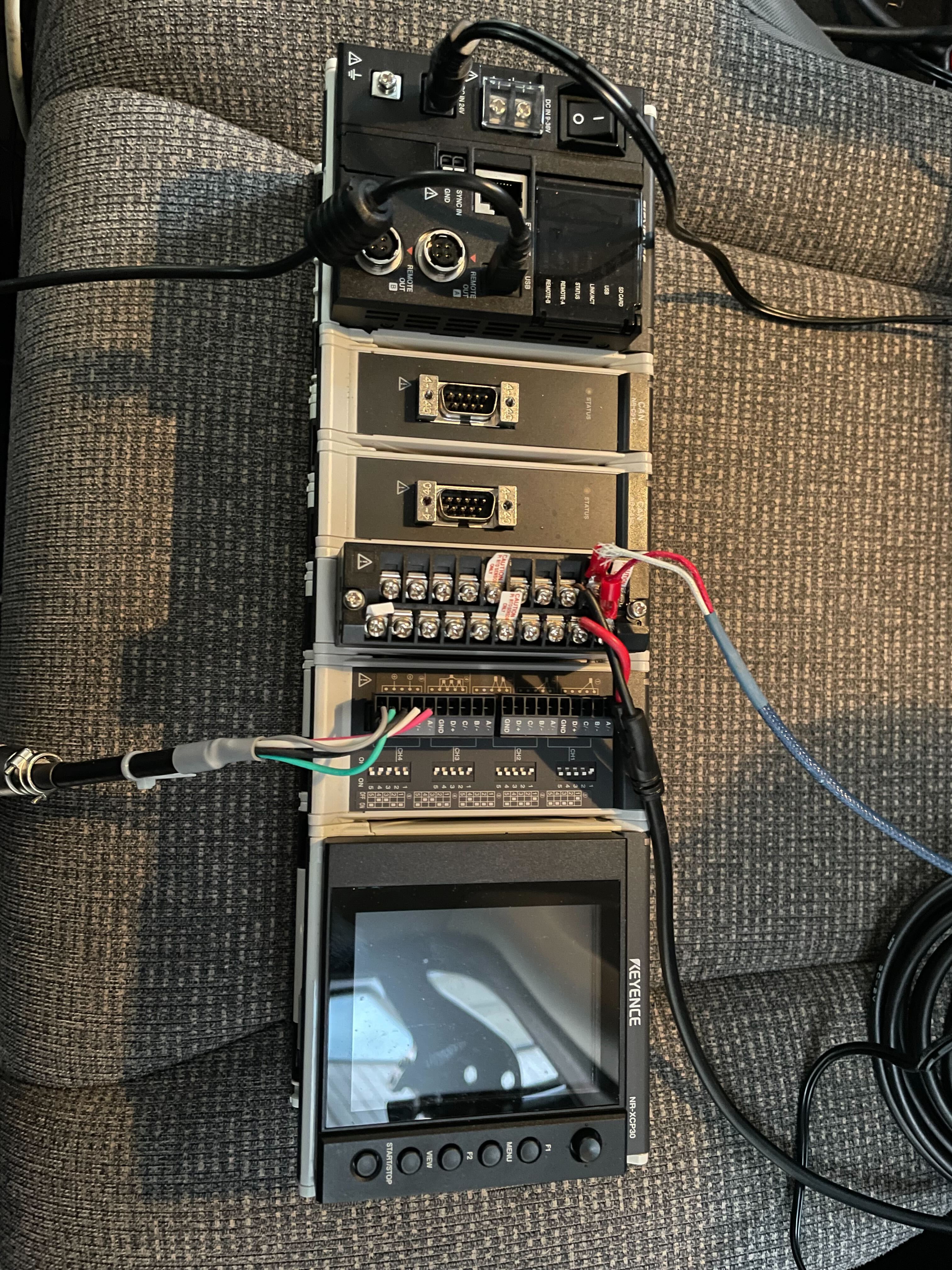
Data Logger
This device is used to record data such as vehicle position and inter-vehicle distance obtained from a high-precision GPS unit, brake pedal force measured by a brake force meter, and NOx concentration in the exhaust gas measured by a NOx sensor.
The recorded data can be exported as CSV files using dedicated software installed on a PC, and are then used for analysis.